








Flyers are cheap and quick to hand out, but most are thrown away the same day. A wallet-size plastic promo card costs more per item and gets kept. Which is better depends on what you want the customer to do and when.
How long they last
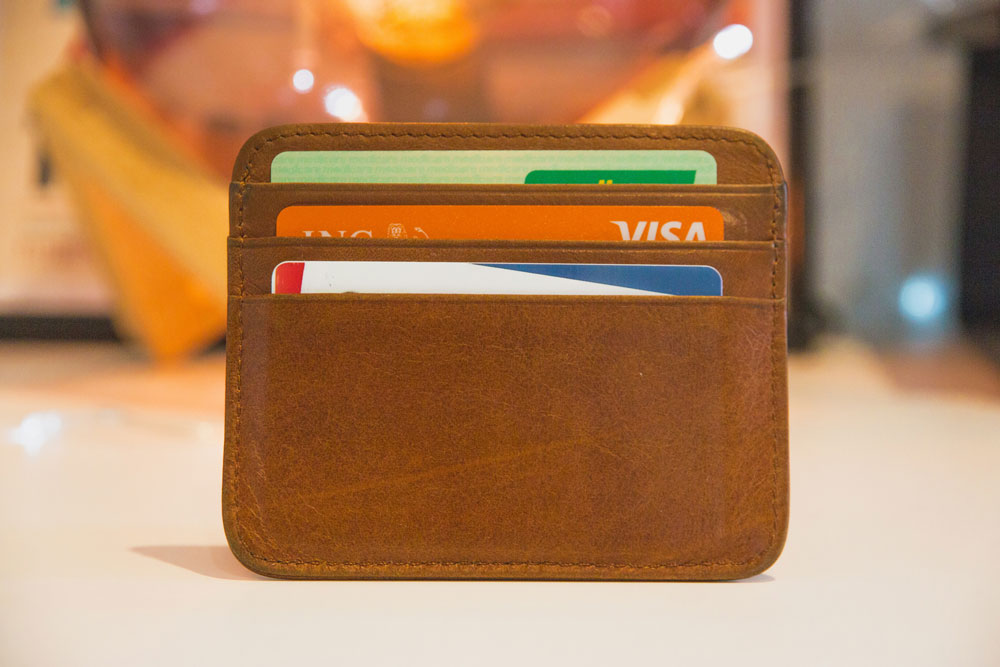
A flyer gets read once, if at all. A plastic card goes into a wallet or purse and is seen again every time the customer opens it. That matters for offers that run for weeks or months.
Cost per item
Flyers cost pennies each in large runs. Plastic promo cards start at £30 for 15 and fall to around £1.33 each in a 120 pack (excluding delivery). The question is cost per customer who acts, not cost per item.
When flyers make sense
- Mass leaflet drops to thousands of homes
- One-day events or short sales
- Information that changes often
When promo cards make sense
- Offers you want customers to keep and use later
- Handing out to selected customers, such as new clients or trade buyers
- Referral cards that get passed on
- Anything that should look premium
Use them together
Some businesses use a flyer to reach many people and a plastic card for the customers who buy, so the offer stays in their wallet for the next visit.
See CR80 promo cards and promo card design.
Options and prices
Options include QR codes, barcodes, numbering, magnetic stripe, signature panel, contactless chips, hole punch, spot UV, and a matt or gloss finish. Every file is checked and proofed, and nothing is printed until you approve the proof.
Promo cards are sold in packs: 15 for £30, 30 for £45, 60 for £80 and 120 for £160, with 45, 75 and 90 packs in between. Magnetic stripe, NFC contactless and RFID versions cost the same. Prices are for full-colour print from supplied artwork and exclude delivery. We are not VAT registered, so no VAT is added. For larger runs, contact us for a quote.
See all promo card options, features and prices on our Promo cards page.